
 PL
PL  EN
EN Why Should You Organize Activities with “Vinci’s Chest”?
Besides having a great time, what will elementary and middle school students gain by participating in the “Vinci’s Chest” game?
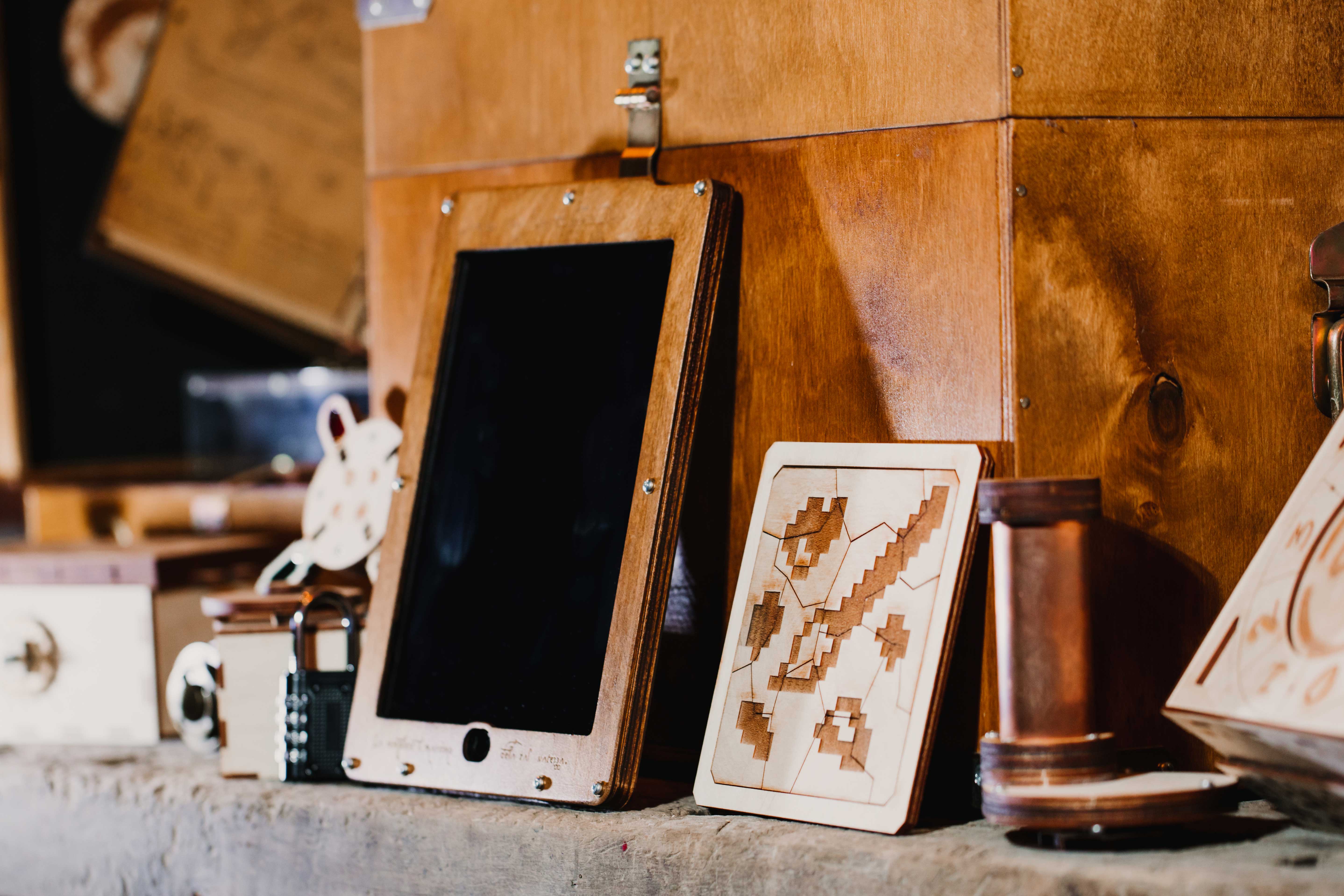
FOR YOUNG PEOPLE
“Vinci’s Chest” is not just 120 minutes of great fun! Above all, it’s:
- an exercise in teamwork, where a leader must emerge, order must be maintained, and the GOAL must be achieved TOGETHER with other teams
- developing personal skills,
- deepening knowledge of history, technology, math, and computer science,
- practicing reading comprehension and logical thinking
FOR ELEMENTARY SCHOOL STUDENTS
Key skills from the elementary school core curriculum:
- Communication in the native language and foreign languages: Proficient reading, writing, listening, and speaking.
- Mathematical and scientific-technical competencies: Using mathematical tools in everyday life, logical thinking, and the ability to draw conclusions based on observations.
- Digital competencies: Conscious and safe use of information and communication technologies (ICT), programming.
- Learning skills: Organizing one’s own learning, curiosity about the world, and the ability to pursue self-development.
- Personal, social, and civic competencies: Teamwork, problem-solving, communication, cultural sensitivity, and active participation in social life.
- Entrepreneurship: Creativity, innovation, and a proactive attitude.
- Cultural awareness and expression: Understanding and expressing the meaning of ideas through various means of expression.

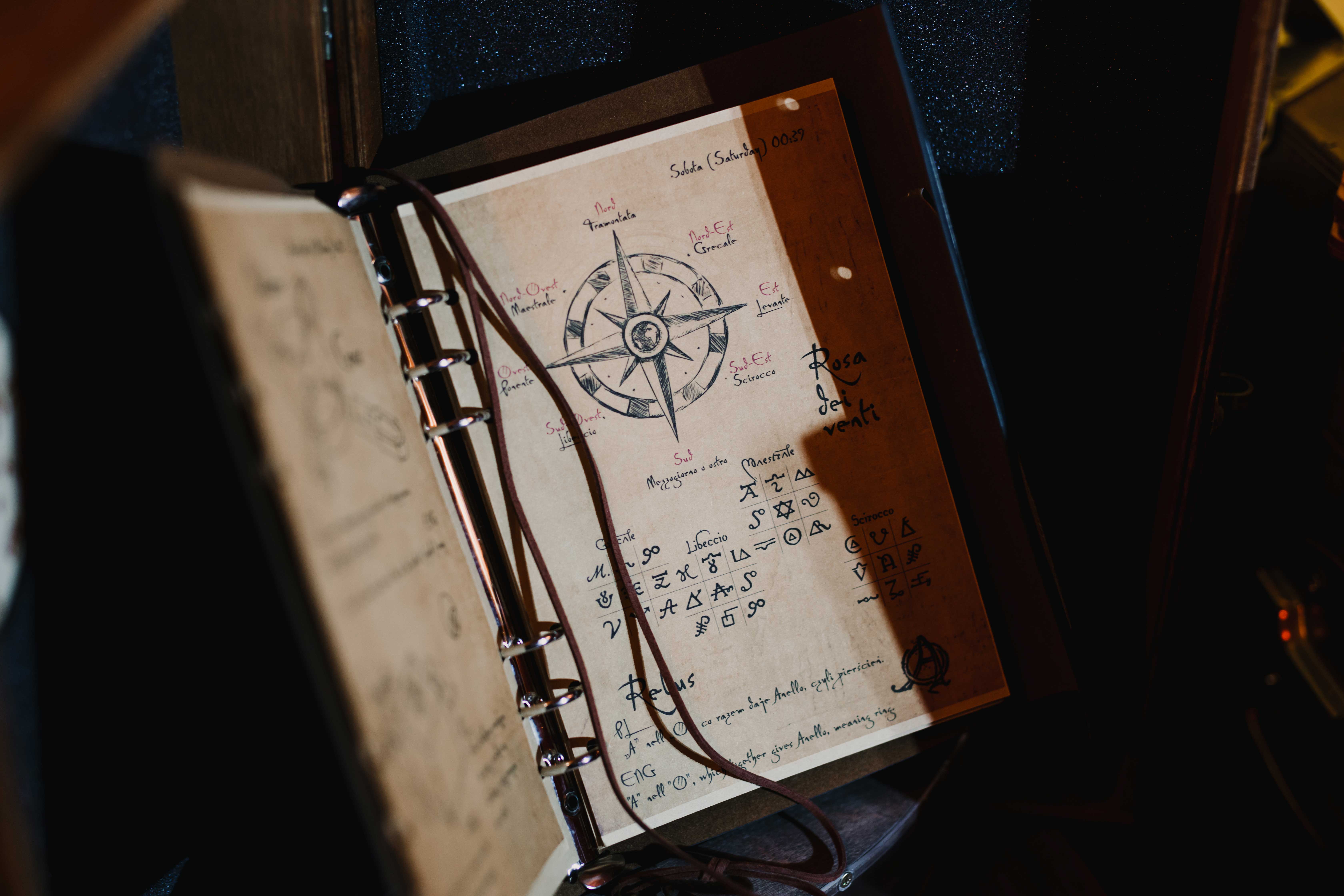
FOR SECONDARY SCHOOL STUDENTS
Key skills and competencies in secondary school:
- Language and communication competencies: Proficiency in the native language and foreign languages, including understanding, analyzing, and producing texts (spoken and written).
- Critical and analytical thinking: Solving problems, drawing conclusions based on data, distinguishing facts from opinions, arguing a point, and verifying information.
- Digital competencies (ICT): Conscious and safe use of modern technologies, programming, searching for and selecting information, and respecting copyright.
- Mathematical and scientific-technical competencies: Applying mathematical tools in everyday life; understanding natural and social phenomena.
- Learning skills: Organizing one’s own learning process; motivation to expand knowledge; organizing and synthesizing information.
- Social and personal skills: Teamwork, creativity, innovation, taking initiative, entrepreneurship, and managing emotions.
- Cultural awareness: Cultural understanding and expression, respect for cultural heritage.